

The Importance of Hydroponic LED Plant Grow Lights
In hydroponic systems, plants lack the ability to derive nutrients from soil, making them heavily reliant on photosynthesis for growth. To ensure robust growth and abundant yields, providing the right amount of light is essential. Hydroponic LED grow lights mimic different wavelengths present in natural sunlight, supplying plants with the necessary spectrum to thrive in indoor environments.
Features of MAKSDEP LED Plant Grow Lights
MAKSDEP is a renowned manufacturer of plant grow lights, with their LED lights performing exceptionally well in hydroponic cultivation. The 1000W and 1500W models of LED plant grow lights from the company offer the following key features:
Full Spectrum grow light Illumination: These plant grow lights deliver a complete spectrum, encompassing red and blue light, along with other wavelengths, meeting the needs of plants across various growth stages.
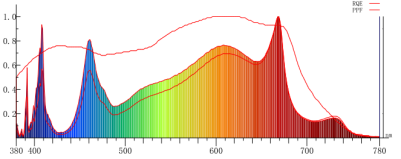
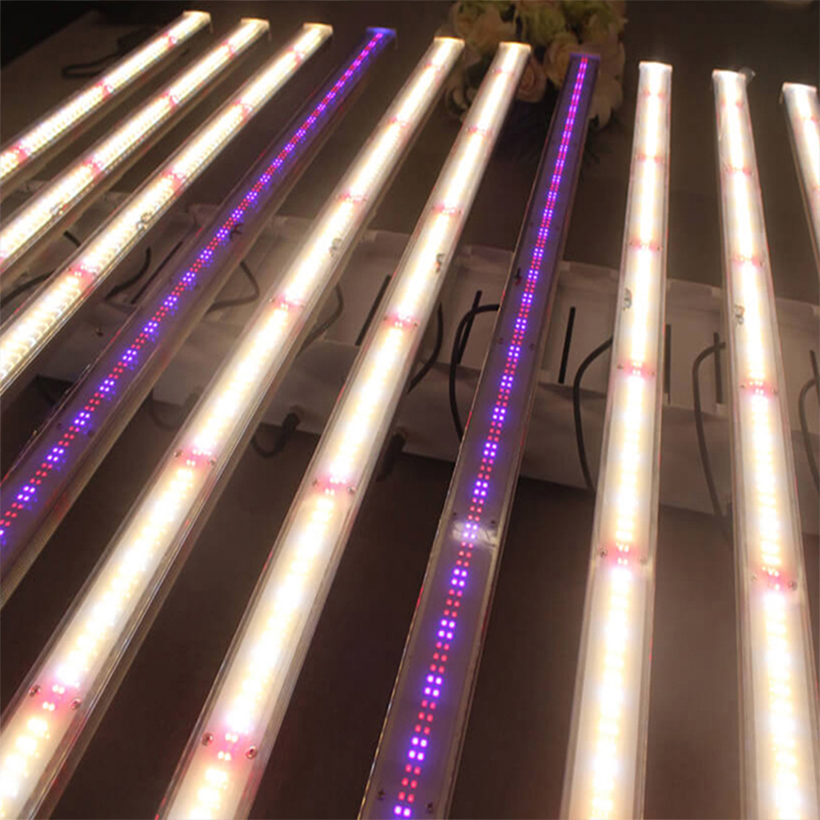
Suitable for Marijuana Cultivation: These plant grow lights are also suitable for marijuana cultivation. Whether during the vegetative or flowering stage, these lights provide the necessary illumination for marijuana plants.
Selecting the Appropriate Wattage
When choosing the wattage of MAKSDEP LED plant grow lights, consider the size of your growing area and the type of plants you are cultivating. Generally, the 1000W model is suitable for medium to small growing spaces, while the 1500W model is ideal for larger areas. If you require broader coverage or higher light intensity, the 1500W model might be the better choice.
In conclusion, for hydroponic cultivation, selecting the right wattage of plant grow lights is vital to ensuring plants receive adequate illumination. MAKSDEP's LED plant lights excel in full spectrum, UV and IR light, dimmable options, and more, providing high-quality lighting environments for hydroponic growth. Whether you're growing vegetables, herbs, or marijuana, these lights cater to your needs. When choosing between the 1000W and 1500W models, make a wise decision based on your growing area's size and your plants' requirements.